Social media has become an inseparable part of modern life, especially for young people. Platforms such as Instagram, Facebook, Snapchat, YouTube, and X (formerly Twitter) influence how youth communicate, learn, express themselves, and form relationships. While social media offers many opportunities for connection and creativity, it also raises serious concerns about its impact on youth mental health.
In recent years, psychologists, educators, parents, and policymakers have expressed growing concern over increasing levels of anxiety, depression, loneliness, and stress among young people. Many of these issues are closely linked to excessive and unhealthy social media use. This article examines the impact of social media on youth mental health, highlighting both positive and negative effects, underlying causes, and possible solutions.
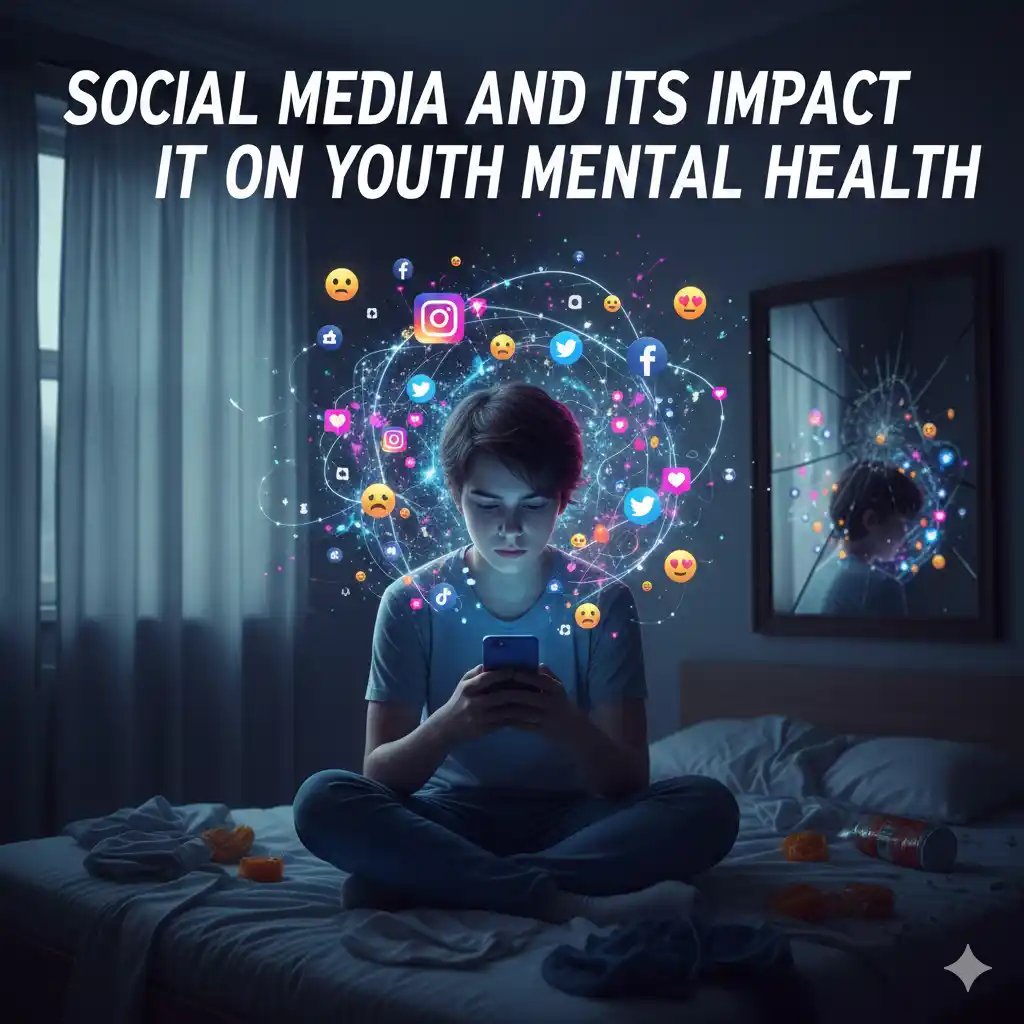
Understanding Youth Mental Health
Mental health refers to emotional, psychological, and social well-being. For youth, mental health plays a crucial role in shaping personality, academic performance, relationships, and overall quality of life.
Youth mental health is influenced by:
- Family environment
- Peer relationships
- Academic pressure
- Social expectations
- Digital and media exposure
Social media has emerged as a powerful factor affecting how young people perceive themselves and the world around them.
Growth of Social Media Among Youth
The rapid growth of smartphones and internet access has significantly increased social media usage among youth. Today, young people spend several hours a day scrolling, posting, liking, and messaging on social platforms.
Key trends include:
- Early exposure to social media
- Increased screen time
- Online friendships replacing face-to-face interactions
- Dependence on digital validation
This constant engagement has both benefits and risks for mental health.
Positive Impact of Social Media on Youth Mental Health
Despite widespread criticism, social media is not entirely harmful. When used responsibly, it can positively impact youth mental health.
1. Social Connection and Belonging
Social media helps young people stay connected with friends and family, especially during times of isolation. Online communities can provide emotional support and a sense of belonging.
For youth who feel socially anxious or marginalized, digital platforms may offer a safer space to express themselves.
2. Access to Mental Health Awareness and Resources
Social media has played a major role in spreading awareness about mental health issues. Young people can access:
- Educational content on mental health
- Self-help strategies
- Motivational messages
- Online counseling and helplines
This increased awareness reduces stigma and encourages open conversations about mental health.
3. Self-Expression and Creativity
Platforms such as YouTube, Instagram, and TikTok allow youth to express creativity through art, music, writing, and storytelling. Creative expression can boost self-confidence and emotional well-being.
4. Peer Support and Shared Experiences
Youth facing similar challenges often connect through online support groups. Sharing experiences helps them feel understood and less alone.
Negative Impact of Social Media on Youth Mental Health
While social media offers benefits, its negative impact on youth mental health is significant and cannot be ignored.
1. Anxiety and Depression
Excessive social media use has been strongly linked to increased anxiety and depression among youth.
Reasons include:
- Constant comparison with others
- Pressure to appear perfect
- Fear of missing out (FOMO)
- Negative feedback and criticism
Seeing idealized versions of others’ lives can make young people feel inadequate and unhappy.
2. Low Self-Esteem and Body Image Issues
Social media promotes unrealistic beauty standards through edited images and filters. This negatively affects body image, especially among teenagers.
Consequences include:
- Low self-esteem
- Body dissatisfaction
- Eating disorders
- Obsession with appearance
Young users may judge their self-worth based on likes, comments, and followers.
3. Cyberbullying and Online Harassment
Cyberbullying is one of the most harmful effects of social media. Unlike traditional bullying, online harassment is:
- Continuous
- Public
- Difficult to escape
Victims of cyberbullying often experience:
- Emotional distress
- Depression
- Anxiety
- Social withdrawal
- In extreme cases, suicidal thoughts
4. Social Media Addiction
Social media platforms are designed to keep users engaged through notifications, likes, and endless scrolling. This can lead to addiction.
Signs of social media addiction include:
- Excessive screen time
- Neglect of studies and relationships
- Sleep disturbances
- Irritability when offline
Addiction negatively affects concentration, productivity, and emotional balance.
5. Sleep Problems and Mental Fatigue
Late-night scrolling and screen exposure disrupt sleep patterns. Poor sleep is closely linked to:
- Mood swings
- Anxiety
- Reduced academic performance
- Increased stress
Lack of proper rest worsens mental health problems among youth.
6. Reduced Face-to-Face Social Skills
Over-reliance on online communication can weaken real-life social skills. Many young people struggle with:
- Eye contact
- Emotional expression
- Conflict resolution
This can lead to loneliness and social isolation despite being digitally connected.
Role of Social Comparison in Mental Health
Social comparison is a major psychological factor behind the negative impact of social media. Youth constantly compare their lives, achievements, and appearances with others online.
This comparison often leads to:
- Feelings of inferiority
- Stress and frustration
- Unrealistic life expectations
The curated nature of social media creates a distorted view of reality.
Impact of Influencers and Online Trends
Influencers play a powerful role in shaping youth behavior and attitudes. While some promote positivity and awareness, others encourage:
- Materialism
- Unrealistic lifestyles
- Risky behaviors
Youth may feel pressured to imitate influencers, leading to dissatisfaction and mental stress.
Social Media and Academic Stress
Excessive use of social media can distract students from studies and reduce academic performance. Poor performance increases stress, anxiety, and self-doubt, creating a harmful cycle.
Role of Parents, Schools, and Society
Addressing the mental health impact of social media requires collective effort.
1. Role of Parents
Parents should:
- Encourage open communication
- Monitor screen time
- Promote offline activities
- Set healthy digital boundaries
A supportive family environment reduces negative effects.
2. Role of Schools
Schools can:
- Introduce digital literacy programs
- Educate students about online safety
- Provide counseling support
- Encourage balanced use of technology
Mental health education should be part of the curriculum.
3. Role of Government and Policymakers
Governments should:
- Regulate harmful online content
- Protect children’s digital rights
- Support mental health services
- Promote awareness campaigns
Strong policies can create a safer digital environment.
Strategies for Healthy Social Media Use
Youth can adopt practical strategies to protect their mental health:
- Limit daily screen time
- Avoid comparison-based content
- Follow positive and educational accounts
- Take regular digital detox breaks
- Prioritize real-world relationships
- Seek help when feeling overwhelmed
Mindful use of social media is key to mental well-being.
Role of NGOs and Mental Health Organizations
NGOs play an important role in:
- Providing counseling services
- Conducting awareness programs
- Supporting vulnerable youth
- Promoting digital well-being
Community-based initiatives strengthen mental health support systems.
Future of Social Media and Youth Mental Health
As technology continues to evolve, the relationship between social media and mental health will become more complex. Artificial intelligence, virtual reality, and immersive platforms may further influence youth psychology.
The future demands:
- Ethical platform design
- Strong mental health safeguards
- Increased awareness and education
Balancing technological progress with mental well-being is essential.
Conclusion
Social media has a profound impact on youth mental health, offering both opportunities and challenges. While it enables connection, creativity, and awareness, excessive and unregulated use can lead to anxiety, depression, low self-esteem, and addiction.
The key lies in balance and responsible use. By promoting digital literacy, emotional awareness, and supportive environments, society can help young people harness the benefits of social media while protecting their mental health. A healthy digital future depends on informed choices, collective responsibility, and compassion.